
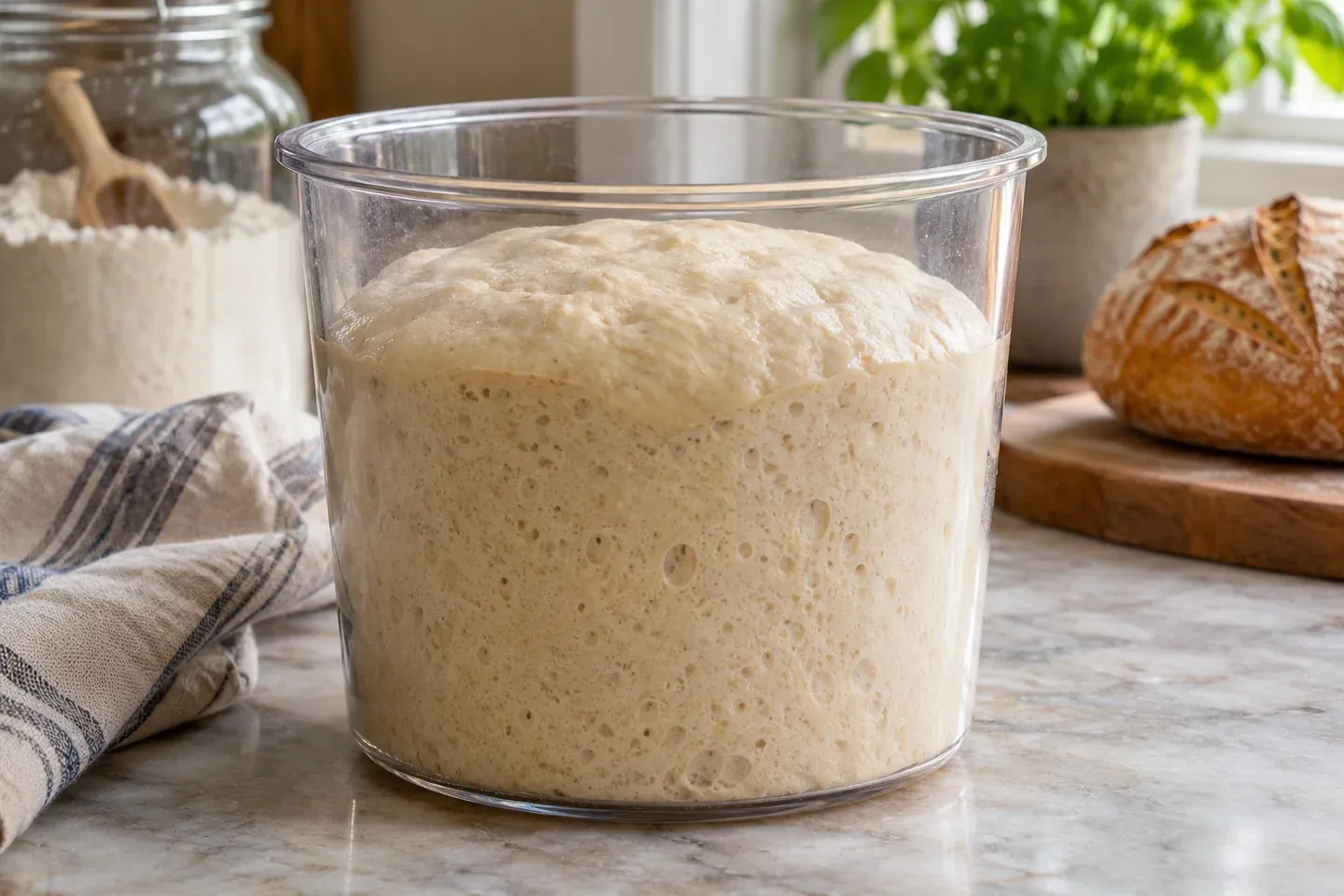
How Long Should Bread Dough Rise?
Understand how long bread dough should rise by reading volume, temperature, yeast quantity, and dough behavior instead of relying on a fixed timer.
Read articleA closer look at the process
Get to know your dough, from the mixing bowl to the oven.
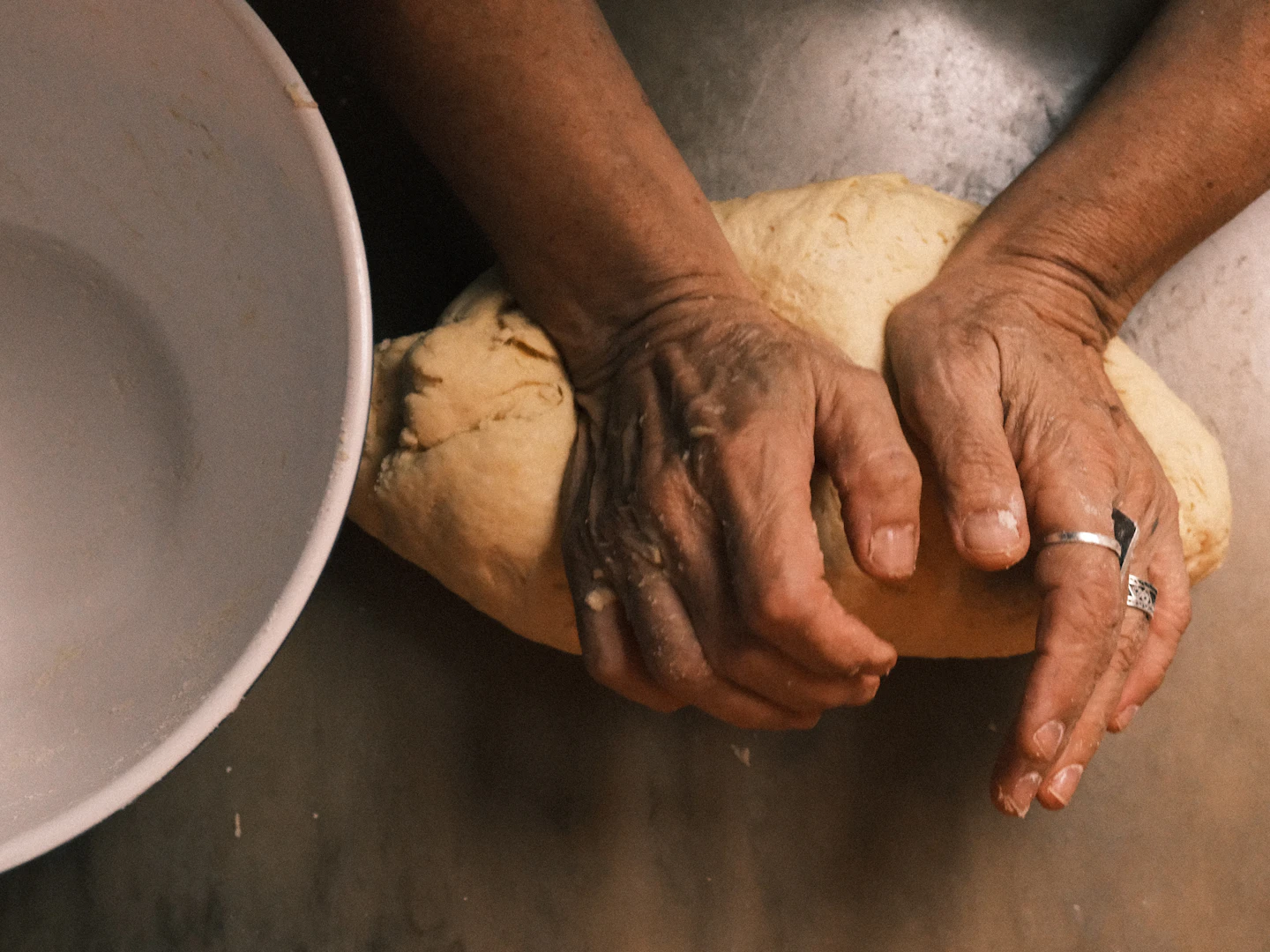
Use these guides at the stage where your dough raises a question. Rising and proofing explain fermentation readiness; oven temperature and scoring cover the move into baking. If the result is disappointing, the dense-bread and slow-rise guides help you trace the cause instead of applying the same correction to every problem.
6 articles
Understand how long bread dough should rise by reading volume, temperature, yeast quantity, and dough behavior instead of relying on a fixed timer.
Read article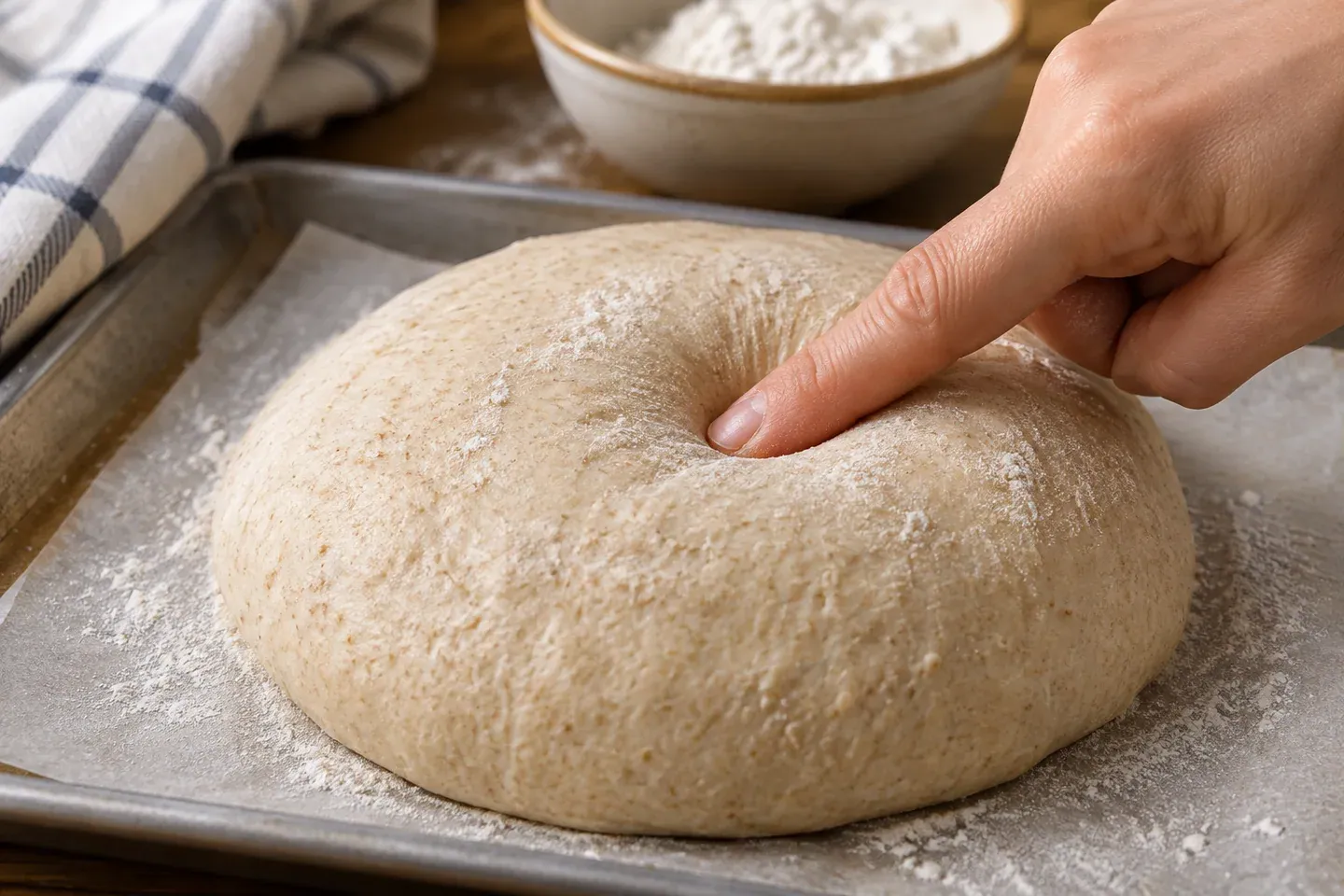
Learn how to tell when dough is proofed using volume, feel, and a gentle poke test, with practical signs of underproofing, readiness, and overproofing.
Read article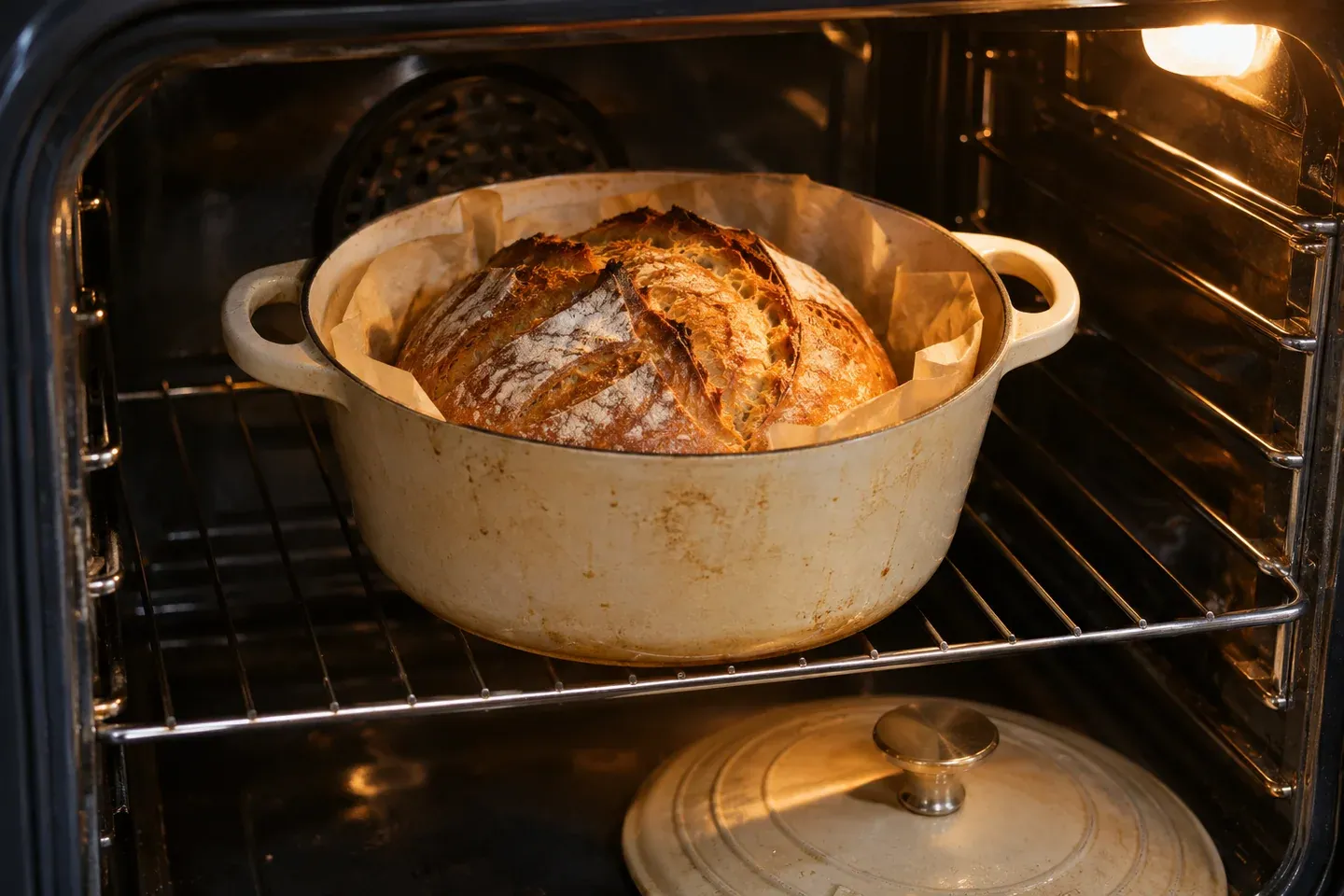
Choose a bread baking temperature for soft loaves or crusty bread, understand oven settings, and check doneness using several useful signs together.
Read article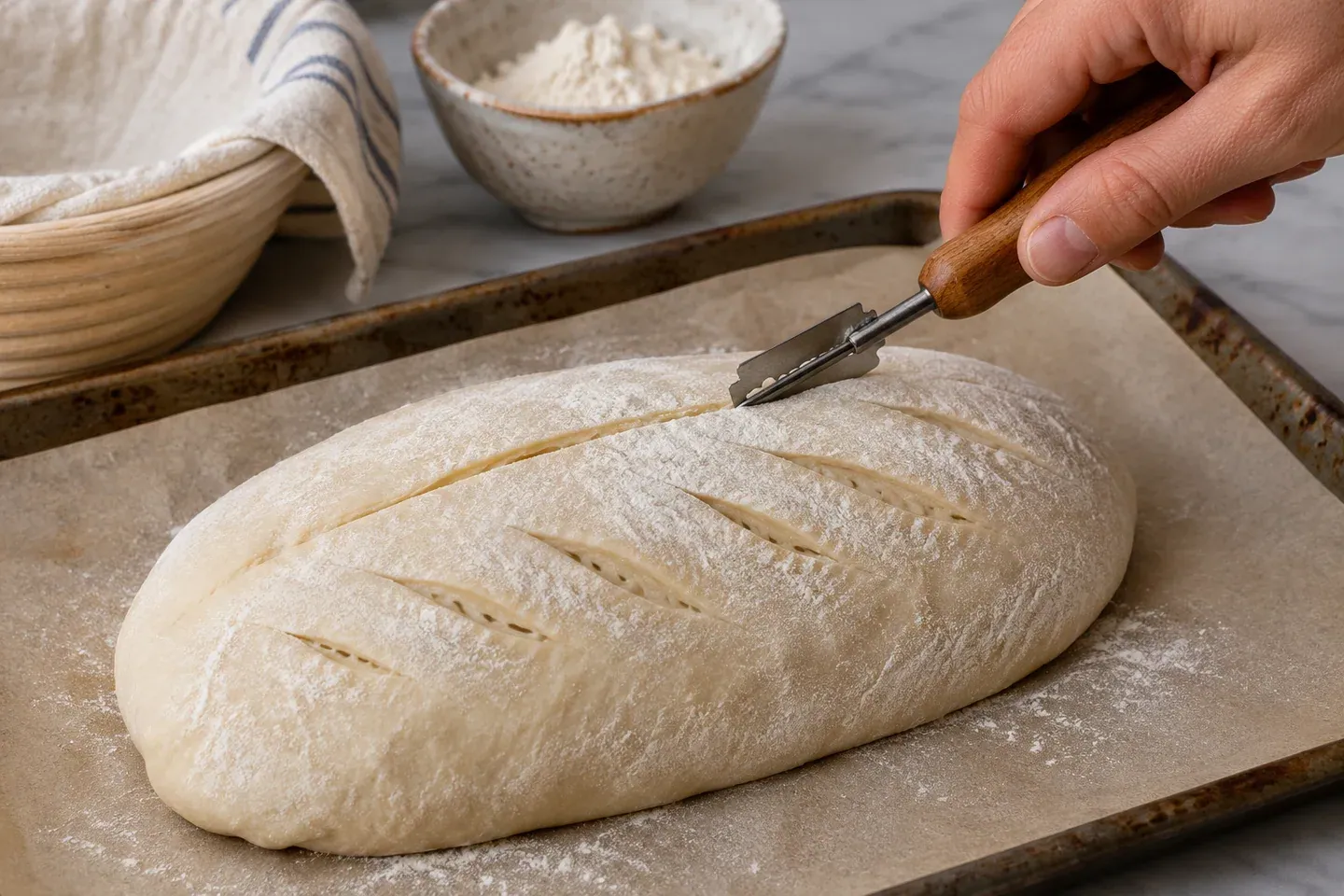
Learn how to score bread dough with a controlled cut, suitable blade angle, and safe handling, plus ways to diagnose spreading, dragging, and weak cuts.
Read article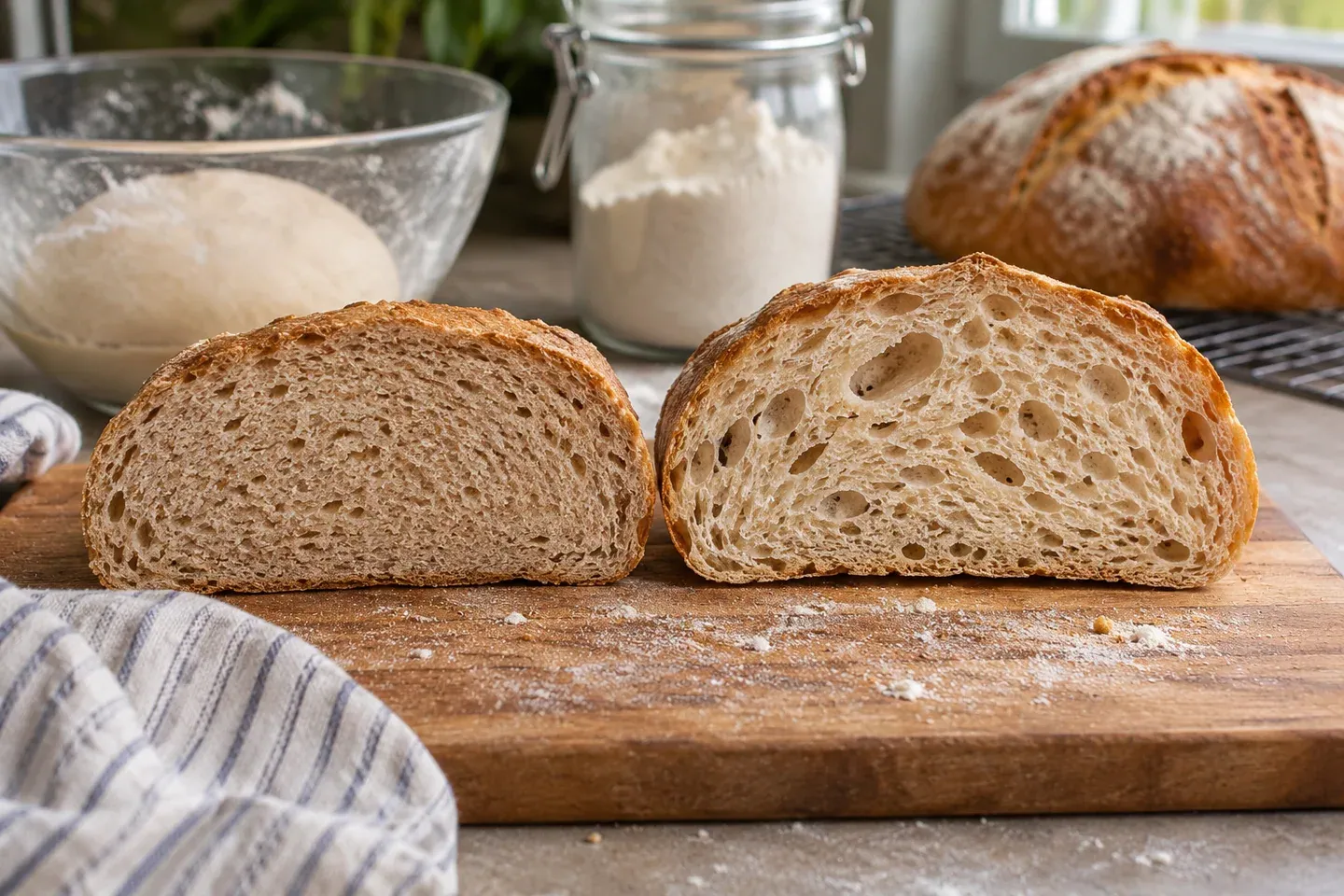
Find out why homemade bread is dense with a practical diagnostic table covering flour, gluten development, fermentation, shaping, baking, and cooling.
Read article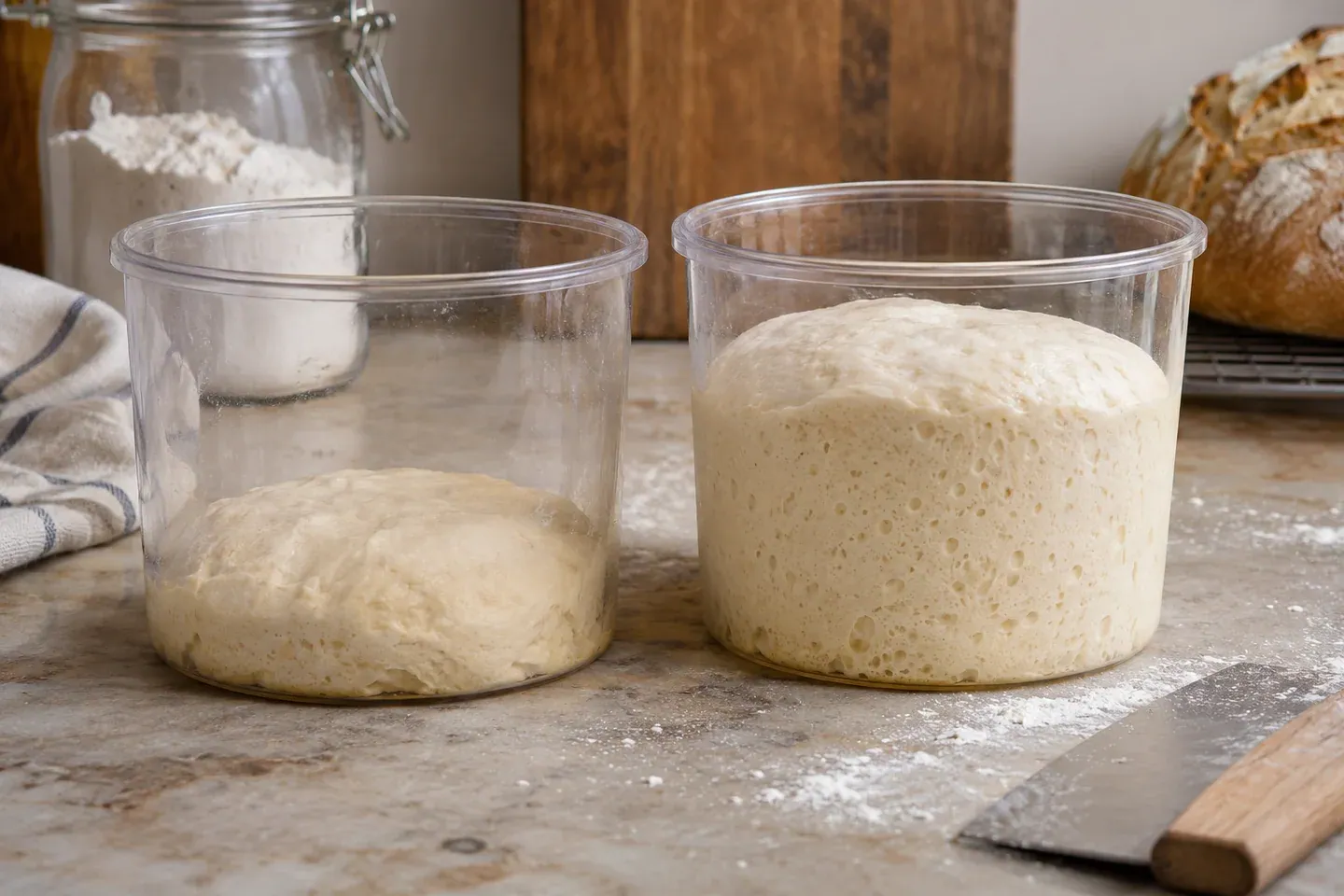
Diagnose bread dough that is not rising by checking temperature, yeast, time, and dough condition, then choose a sensible next step without blind fixes.
Read article